About the work
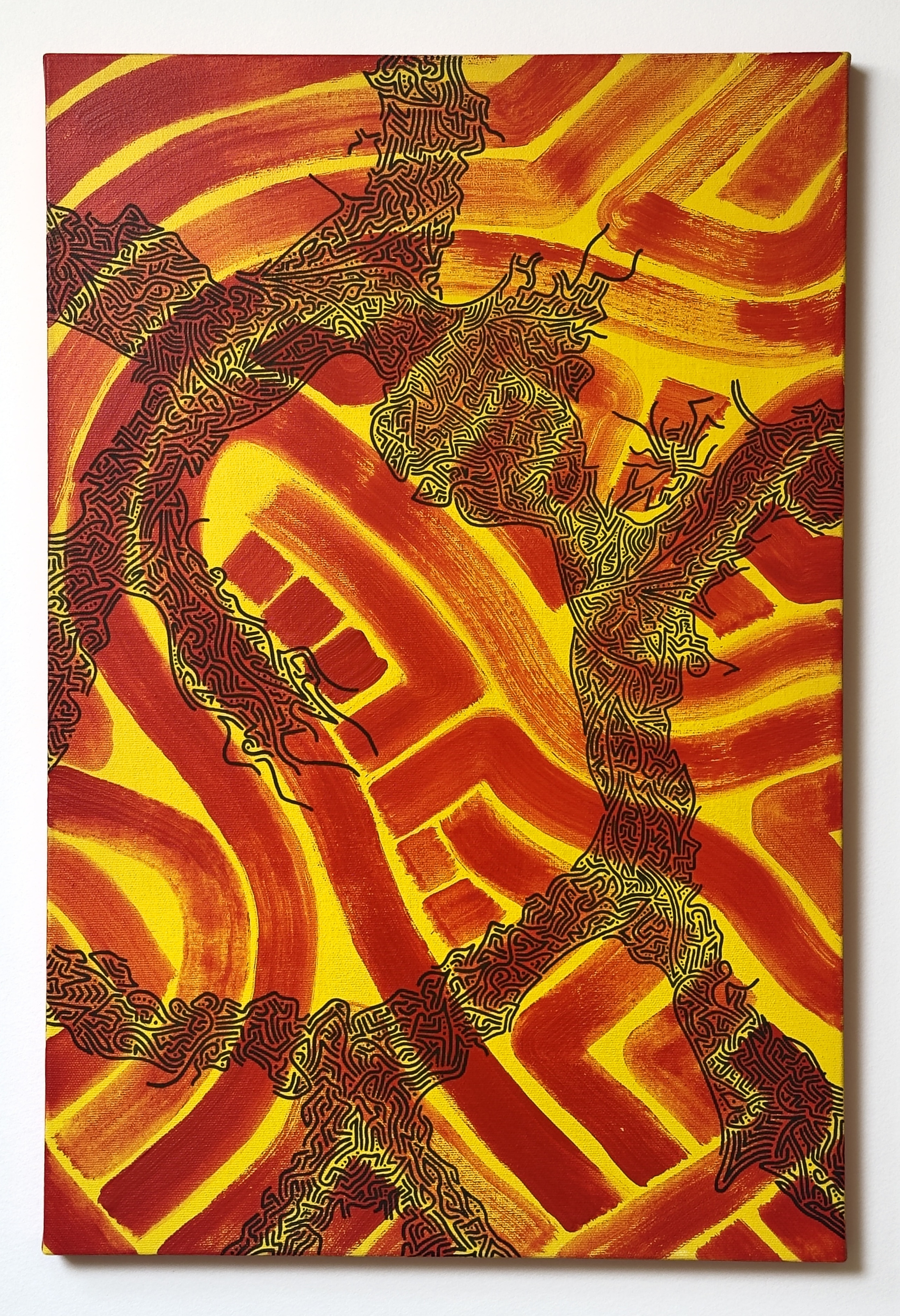
This acrylic on canvas represents a look into a cell, with its large cellular structures and cytoskeleton.
I remember watching a short film, back when I was at school, about the inner life of cells. One scene in particular which struck me was how proteins and enzymes would move around the cell on these filaments, cellular highways as it were.
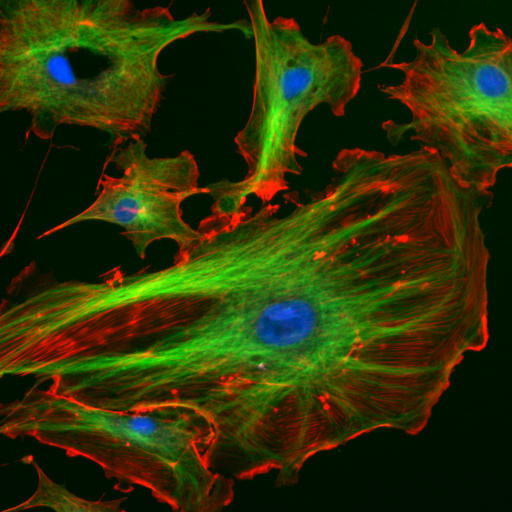
The cytoskeleton is what gives a cell its structure, much like any skeleton, but also provides the infrastructure over which cellular transport happens. Depending on the cell’s needs, the cytoskeleton will grow new paths, unwind unnecessary ones, connect two paths together.
I wanted this view to reflect the three-dimensional volume that is a cell. In the background the larger folds of what might be a mitochondrion can be seen, whilst in front we see the ever-changing cytoskeleton, its network connecting nodes, junctions, off-shoots reaching out as their proteins are read and built.
The use of (vastly) different sizes to draw the lines is a reference to the fractal qualities of nature, how forms repeat themselves through all its levels. We can imagine how, if we “zoomed out”, the broad shapes of the red layer would begin to look more intricate, eventually as intricate as the black layer.
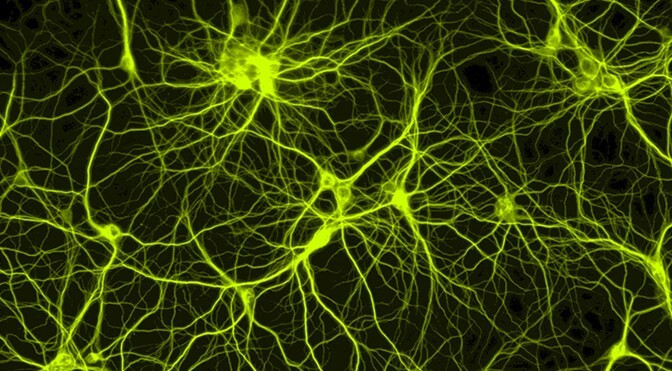
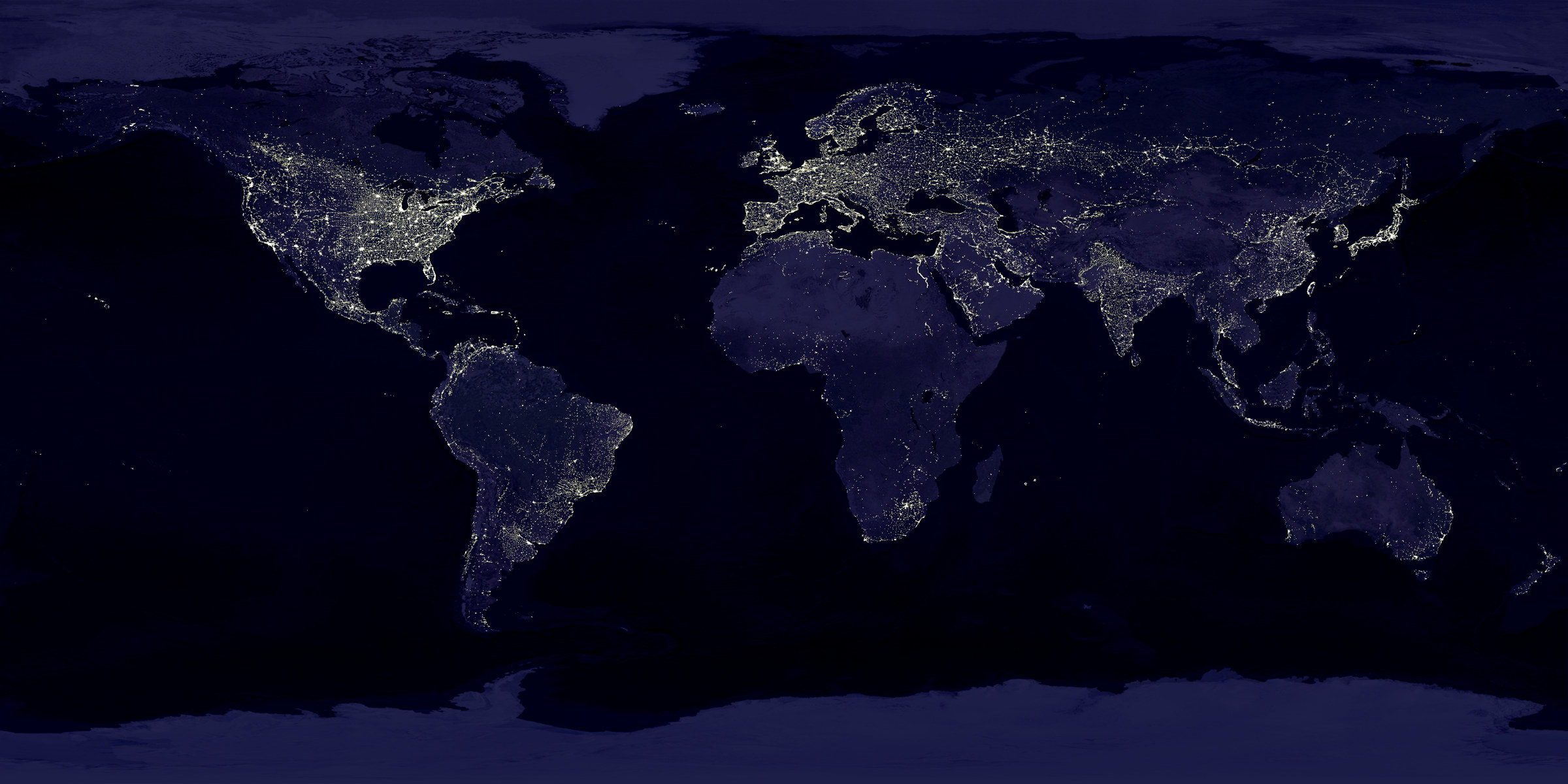
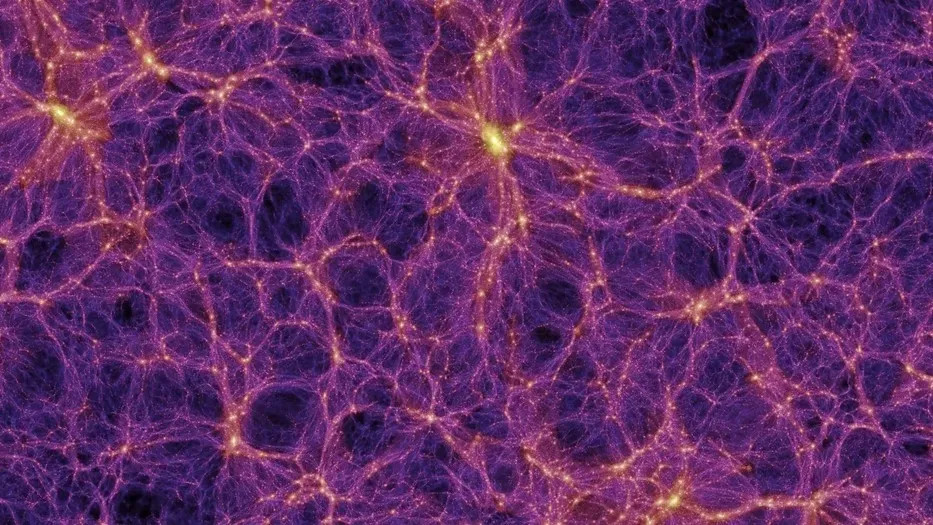
I think this image of the natural world explains this best: compare this cell’s structure, its structural network, to that of neurones and how they connect. Standing further back, think about how cities operate, with streets and places being nodes of information transfer. Take yet another step back and observe how the universe is made up of “superhighways” of known matter, cutting through infinitely large pockets of dark matter.
It’s an image which has always stuck in my mind, and makes me wonder if we are not just proteins moving around in one large, cosmic cell. Perhaps it is itself a cell in some even larger organism?
Obviously, I am no biologist. It would bewilder me if anybody took this representation of a cell to be realistic!
References